
LED Sports Gear: What Durability and Battery Specs Really Mean
Decode LED sports gear durability and battery specs—runtime, charging, repairability, and safety—so you can buy night-play gear with confidence.
Durability in LED gear: what survives real play (and what doesn’t)
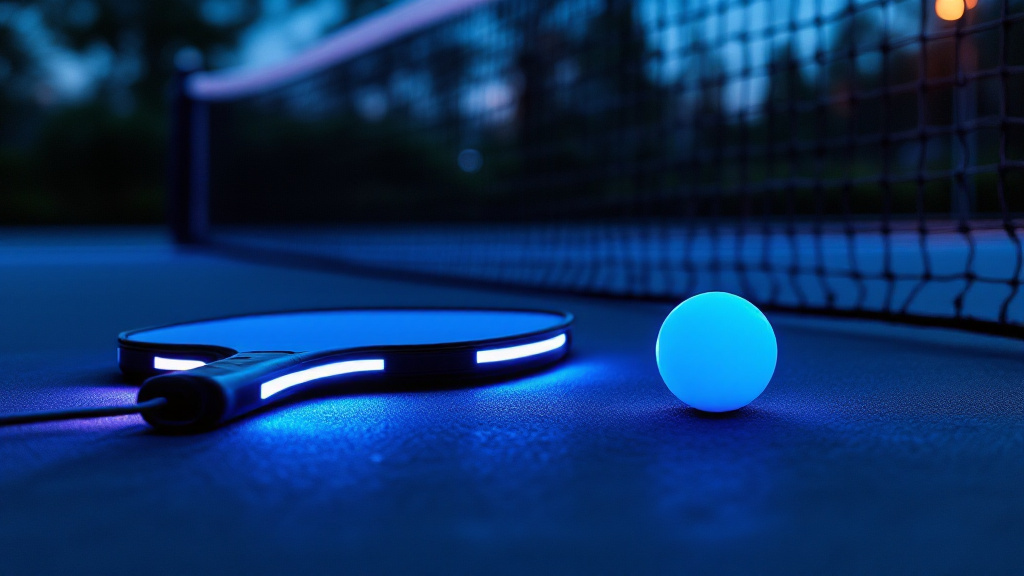
Night recreation looks gentle—until the first drop on asphalt. For LED gear used in sports (from illuminated paddles to net light strips), product durability comes down to materials and construction, not buzzwords like “rugged.” Look for impact-tolerant housings (polycarbonate beats brittle acrylic), recessed LEDs, and diffusers that won’t crack or yellow after UV exposure. The strongest designs also protect stress points: charging ports, switches, and seams.
Sweat, dew, and surprise rain are the next test. A stated IP rating helps (IPX4 handles splashes; IP67 implies brief submersion), but also check how seals are executed—gaskets, adhesive bonding, and port covers. If the gear includes wearables (straps, grips, paddle edges), durability depends on abrasion resistance and whether parts are replaceable.
Finally, temperature swings matter. Batteries sag in the cold, adhesives soften in heat, and cheap diffusers fog. When evaluating a night-play kit (like systems that combine illuminated paddles, LED balls, and a net reference light), prioritize designs tested for drops, moisture, and repeated setup/teardown—not just “looks bright” out of the box.
Battery life specs: how to translate mAh, runtime, and charging into real sessions
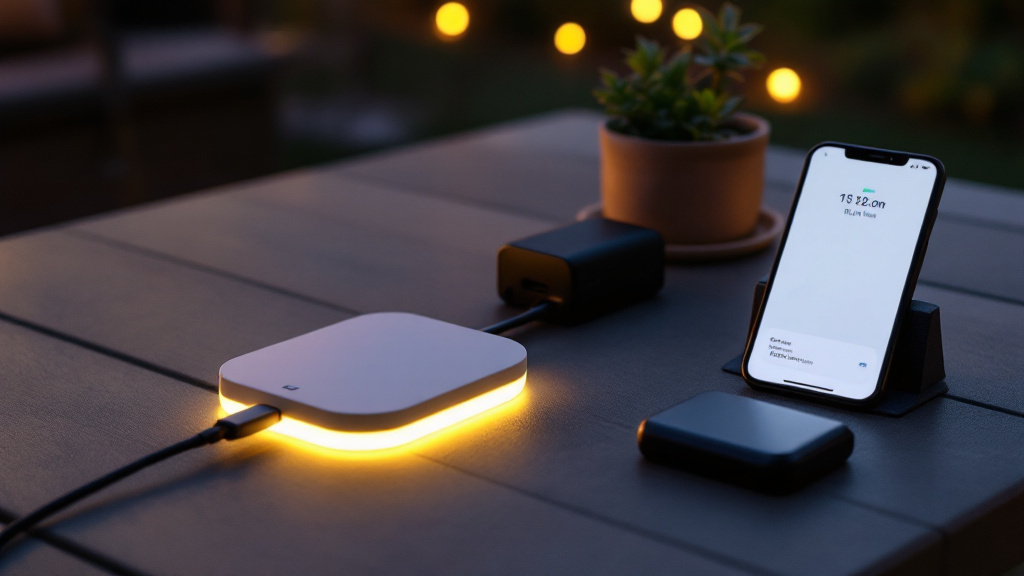
Most buyers care about one thing: battery life that lasts a full hangout. Marketing often quotes “hours of runtime,” but that number depends on brightness mode, temperature, and battery age. Start by converting capacity into energy: mAh is only meaningful at a given voltage, so watt-hours (Wh) is the better comparison across wearables and accessories. If a product doesn’t disclose voltage/Wh, treat runtime claims as approximate.
Charging details matter just as much. USB‑C is convenient, but ask: does it support fast charging or only basic 5V? Is the cable proprietary? Can you play while charging for sideline use (net lights often can), and is there a clear low-battery indicator? Also consider cycle life—after a few hundred charge cycles, lithium cells can lose noticeable capacity.
For night sports, build your own “session math.” Example: a two-hour match plus setup and post-game chatting may mean 3+ hours of continuous lighting. Choose LED sports gear that can sustain that at your preferred brightness, not its dimmest setting. A practical buyer guide approach is to favor products that publish mode-by-mode runtimes and realistic recharge times.
Repairability and safety: the buyer guide checklist for confident purchases
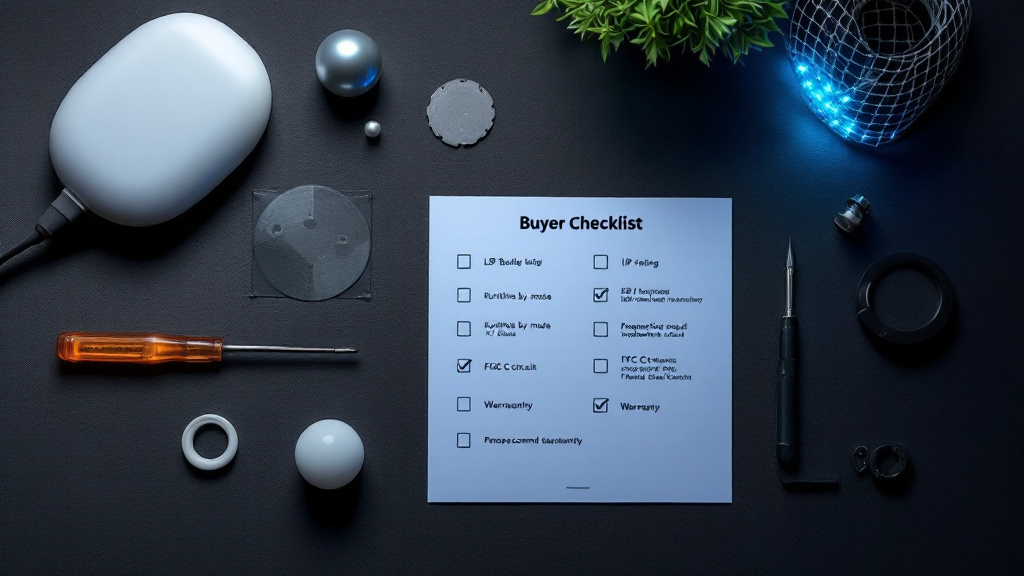
Bright LEDs are fun; safe electronics are non-negotiable. A smart buyer guide looks for protection circuitry (overcharge, over-discharge, short-circuit) and trustworthy compliance signals. Depending on what you’re buying, check for FCC/CE markings for electronics, RoHS material declarations, and responsible battery shipping compliance (often tied to UN 38.3 testing). For gear used near faces and hands, avoid sharp edges, exposed wiring, or hot spots around the LED driver.
Repairability is the hidden value multiplier. Can the battery be replaced, or is it glued shut? Are diffusers, straps, or grips available as spare parts? For product durability, a replaceable port cover or modular light strip mount can matter more than an extra 10% brightness. Clear warranty terms and accessible support channels are also part of the spec.
Finally, evaluate “system completeness.” For night pickleball, visibility isn’t just the paddle—it’s the ball track and net reference. Kits that coordinate illuminated paddles, LED balls, and a net light reduce workarounds and reduce the temptation to add unsafe DIY wiring. The best LED sports gear balances brightness, comfort, and safety so your night session feels like real play, not a novelty demo.