
The Rise of After‑Dark Recreation and the Future of Court Time
Crowded courts, hot days, and social-first fitness are pushing play into the evening. Here’s why night formats are growing—and how visibility tech makes them work.
Why evening play is booming: access, comfort, and the social-first shift
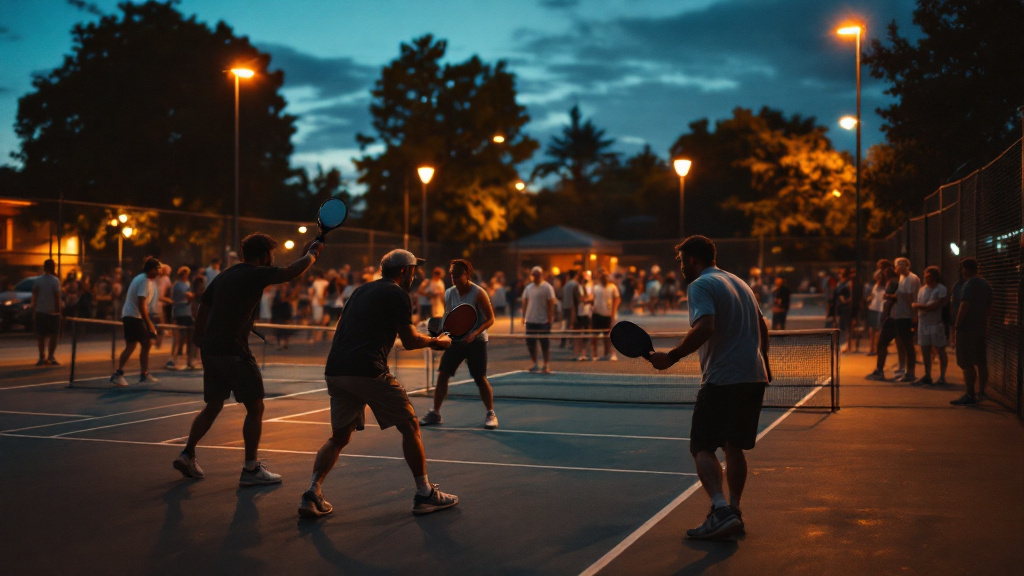
After-dark recreation is no longer a novelty—it’s a practical response to pressure on local facilities. With ongoing pickleball growth, prime hours on community courts fill up fast, and weeknight players are often left with limited slots. Moving activity into the evening isn’t just about squeezing in more games; it’s about restoring spontaneity for friends who want to meet up without fighting a waitlist.
Heat avoidance is the second accelerant. In many regions, summer daytime play can be uncomfortable or unsafe, so players naturally migrate to cooler hours. Add the broader recreation trends toward “hangout fitness” (low-friction, social, and repeatable), and you get a clear pattern: people want an activity that starts quickly, feels legit, and turns any gathering into a game night. That’s why night sports formats are sticking—when the experience is easy to organize, groups treat it as a recurring ritual, not a one-off experiment.
What makes night formats work—and the real tradeoff: floodlights vs. portable visibility
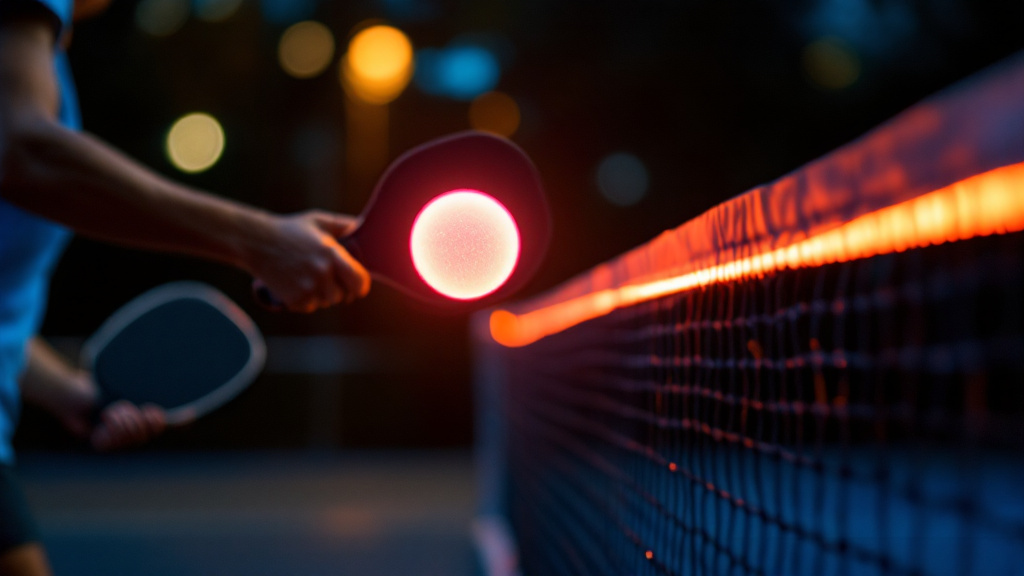
Night play succeeds or fails on one factor: whether players can track the ball, paddle face, and court references with confidence. Without clear visibility, rallies break down, calls get messy, and the “real match” feeling disappears. The best sports tech solutions don’t just glow—they preserve gameplay cues: where the net line sits, how the ball travels, and whether a paddle is open or closed at contact.
That leads to the key decision for organizers: install lighting, or bring visibility to the game. Permanent floodlights can be effective, but they’re expensive, permit-heavy, and rarely an option for pop-up events or shared community courts. Portable systems are winning because they’re flexible and event-ready. For example, After Hours Pickleball takes a “5-minute setup to first point” approach by combining illuminated USB‑C paddles, a key-activated LED ball, and a battery-powered net reference light strip that attaches to existing nets—helping groups host a reliable night sports match without turning the venue into a construction project.
The future of court time: programmable nights, pop-up events, and better shared spaces
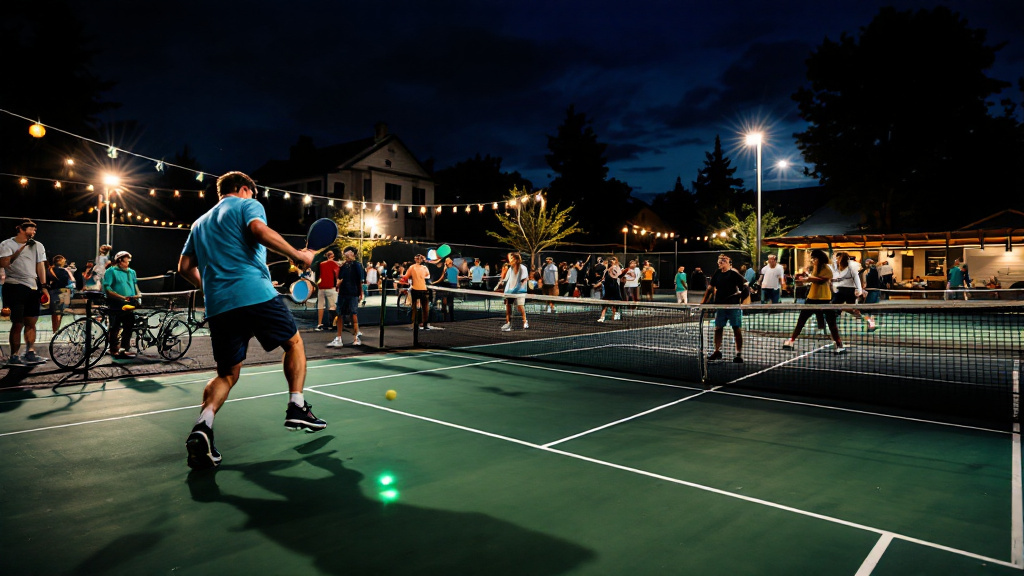
Expect after-dark recreation to become more organized and more communal. As pickleball growth continues, the “second shift” of court time—8 p.m. to late—will be treated as a real programming block, not leftover hours. Parks groups, HOAs, and social leagues will increasingly schedule night ladders, glow round-robins, and themed mixers because they’re inclusive, spectator-friendly, and easier to fit into adult calendars.
For organizers, the winning formula is simple: reduce friction and increase confidence. That means quick setup, consistent visibility, and gear that works on existing infrastructure—especially on community courts where permanent upgrades aren’t guaranteed. Portable visibility kits are a natural extension of current recreation trends: they travel well, scale from backyards to parks, and keep the vibe social without sacrificing playability. Whether you use floodlights or a purpose-built solution like After Hours Pickleball, the direction is clear: the future of court time is longer, cooler, and more flexible—powered by practical sports tech that makes night formats dependable.